
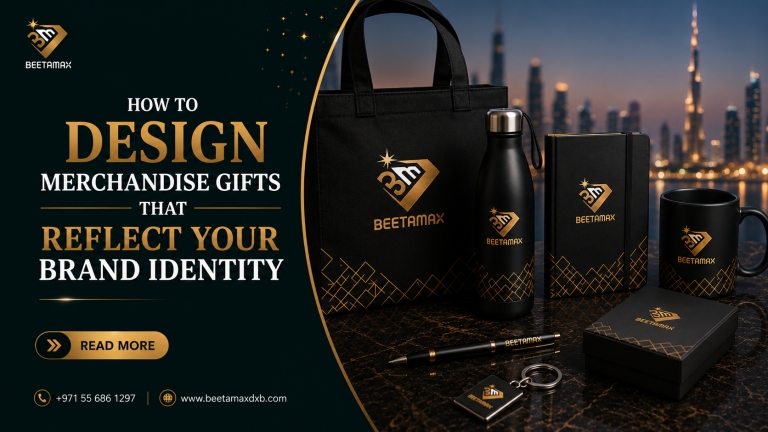
How to Design Merchandise Gifts That Reflect Your Brand Identity
A branded pen, tote bag, mug, notebook, or tech accessory is far more than a simple giveaway it is a tangible representation of your brand that continues to create impressions long after a meeting, exhibition, or corporate event has ended. Every time someone uses your merchandise, they are reminded of your business, making promotional products a powerful tool for increasing brand recognition and customer loyalty. However, not all merchandise gifts leave a lasting impact. Generic items with poor design or low-quality materials are often forgotten, while thoughtfully designed products that align with your brand’s identity, values, and visual style become useful, memorable, and appreciated. By choosing the right products, colours, materials, and branding, businesses can create merchandise gifts that strengthen brand recognition and leave a lasting impression. This guide shows how to design gifts that reflect your brand identity and create long-term value.
Why Merchandise Gifts Are a Brand-Building Tool, Not Just a Freebie
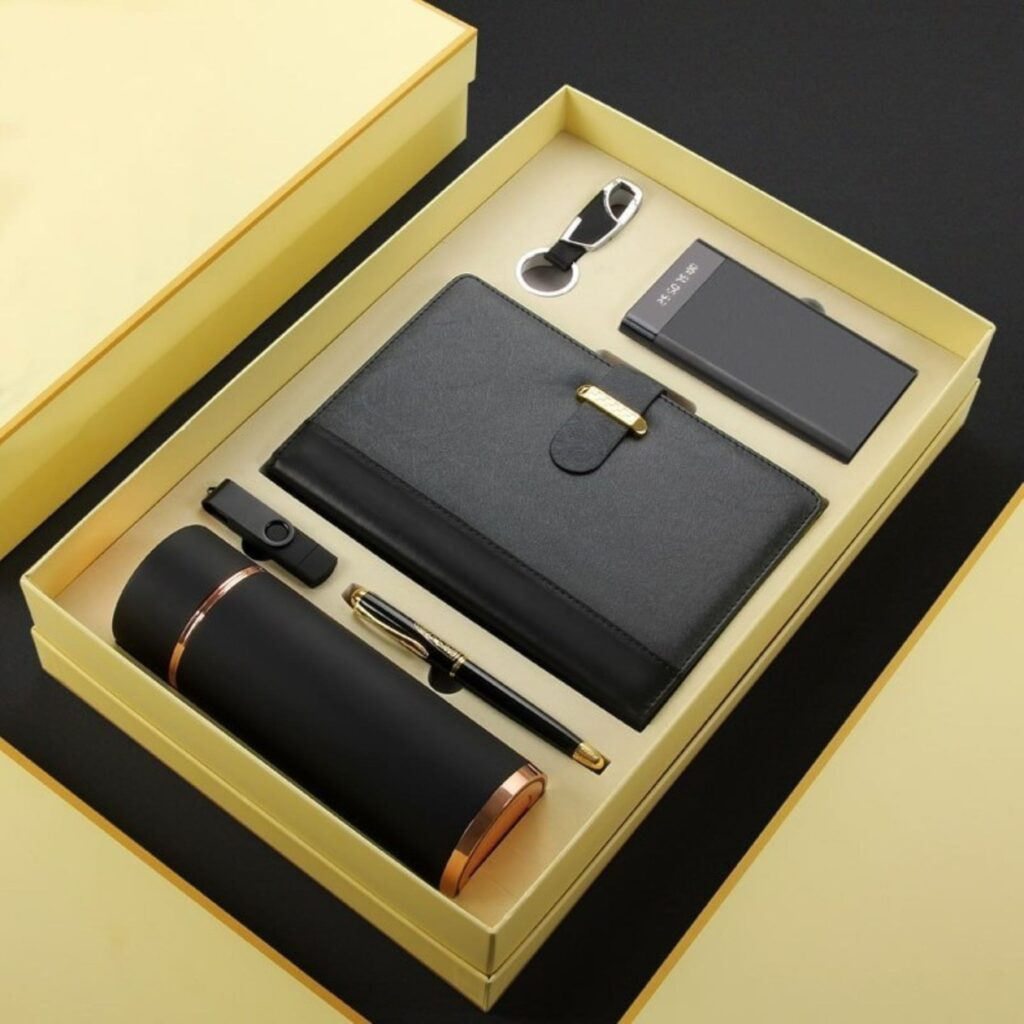
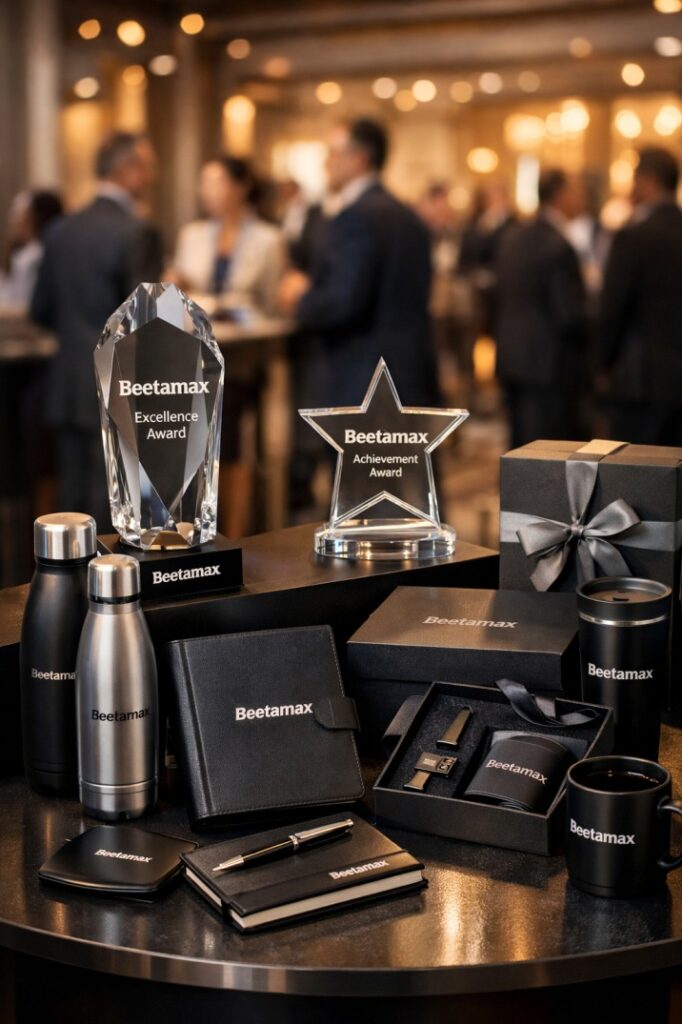
Branded merchandise consistently outperforms expectations as a recall tool. Independent research from the Advertising Specialty Institute found that promotional products generate thousands of brand impressions over their usable lifespan, and the large majority of recipients can recall the brand on an item they received often months later. That kind of staying power is difficult to buy through digital ads alone, which makes the design of your merchandise gifts a genuine branding decision, not just a procurement task.
The takeaway for brand managers and marketers is simple: every merchandise item is a mini touchpoint. If it looks generic, it says something generic about your business. If designed well, it becomes a lasting ambassador for your brand.
Start With Your Brand Guidelines, Not the Product Catalogue
The most common mistake in corporate gifting is browsing a product catalogue first and squeezing a logo onto whatever looks trendy. Flip that process. Before choosing a single item, revisit your brand guidelines and ask what story you want the gift to tell:
- What emotion should the recipient feel when they use this item premium, playful, sustainable, minimal?
- Which brand colours, fonts, and logo variations are approved for physical products?
- Does the item need to work for a specific audience clients, staff, event attendees, or VIP guests?
- What is the occasion onboarding, trade show, anniversary, sports sponsorship, festive season?
Answering these questions first means the product choice becomes a natural extension of the brand, rather than the brand being squeezed to fit the product.
Core Elements That Make Merchandise Feel “On-Brand”
Logo Application and Clear Space
A logo dropped onto a product without respecting its clear space, minimum size, or colour variants looks amateurish. Work with your supplier on proofs that show the logo at actual scale on the actual material, not just on a flat mock-up.
Brand Colour Palette
Colour is one of the fastest ways a product is recognised as “yours.” Where possible, match Pantone or CMYK references exactly rather than approximating with a generic “navy” or “gold.” Techniques like electroplating and chemical etching allow metallic and crystal pieces to carry brand colour and finish with far more precision than standard printing.
Typography and Tone of Voice
If your brand uses a distinctive typeface or a signature tagline, carry it onto packaging inserts, thank-you cards, or engraved messages. Consistency in tone formal versus playful should extend from your website copy to the words on the gift itself.
Material Choice as a Brand Signal
Material communicates positioning before anyone reads a word. Crystal and metal read as premium and permanent; acrylic and blended materials feel modern and versatile; wood and recycled materials signal sustainability. Choosing the right material is as much a brand decision as choosing the right logo colour.
Packaging and Unboxing
A well-designed product loses impact in a plain plastic bag. Branded boxes, tissue paper in your palette, and a short printed note turn a simple item into a moment recipients want to photograph and share.
Matching the Product to the Message
Different merchandise categories carry different brand associations, so the product itself should match the message you are sending:
- Apparel — ideal for building daily visibility among staff and event teams; strong for culture and unity.
- Drinkware — high-frequency use makes it one of the strongest categories for long-term brand recall.
- Bags — useful for trade shows and conferences, giving your logo mobility across a city or venue.
- Keychains and fridge magnets — low-cost, high-frequency touchpoints ideal for mass distribution.
- Headwear — effective for outdoor events, sports sponsorships, and teams that work on-site.
- Office essentials — desk and stationery items reinforce your brand during everyday work moments.
Choosing the right category is what separates a memorable, on-strategy gift from a generic giveaway with a logo stuck on it.
Personalisation Techniques That Elevate Branded Merchandise
The finishing technique often matters as much as the product itself:
- 3D laser engraving — crisp, permanent detail on crystal, metal, and wood.
- Chemical etching — precise, durable branding for metal plaques, pins, and premium trophies.
- Electroplating — adds a metallic finish that elevates perceived value.
- Embroidery and screen printing — durable, premium finish for apparel and bags.
- Water jet cutting — enables custom shapes that go beyond standard rectangular plaques.
Matching the technique to the material ensures the branding lasts as long as the product itself which matters, because a faded logo undermines the brand impression you set out to create.
Sustainability: A Brand Value You Can Hold in Your Hand
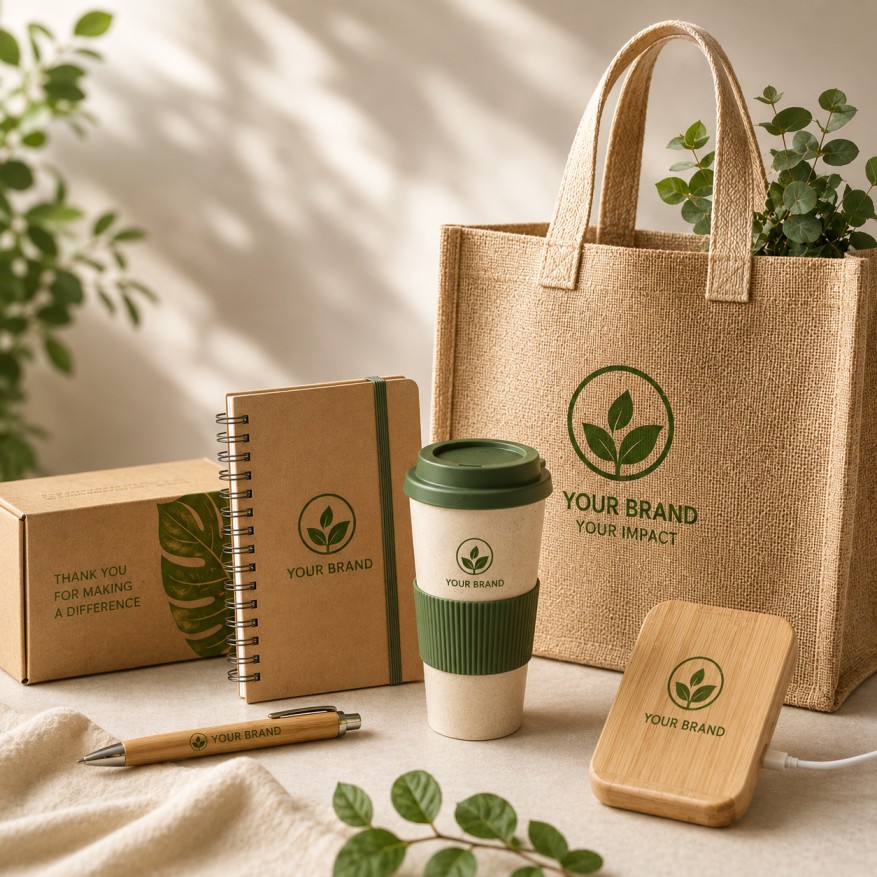
More brands are choosing merchandise that reflects environmental values, not just visual ones. Recent research commissioned by the Advertising Specialty Institute and Promotional Products Association International found that promotional products can carry a meaningfully lower carbon footprint per memorised impression than several digital advertising formats making sustainable merchandise gifts both a brand-values statement and a measurable marketing choice.
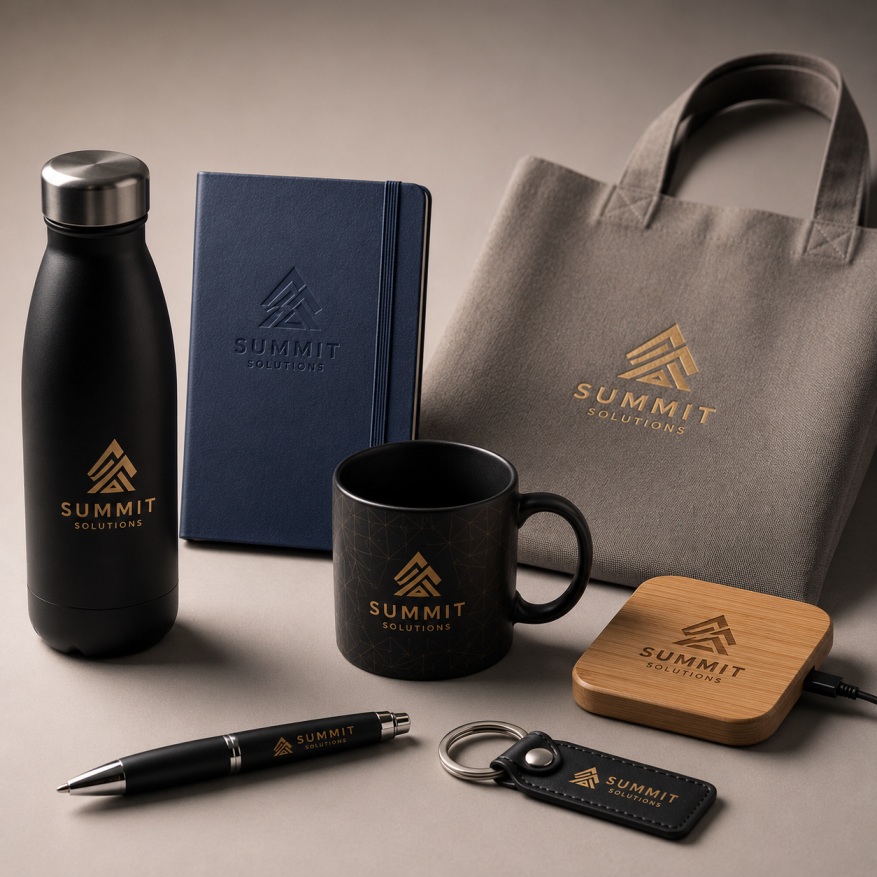
If sustainability is part of your brand identity, your merchandise should reflect it. Choosing recycled metals, sustainably sourced wood, reusable drinkware, or eco-friendly materials demonstrates your commitment in a practical way. These choices reinforce your values and build stronger brand trust.
A Practical Checklist Before You Order
- Confirm exact Pantone/CMYK colours and logo files with your supplier.
- Choose a material and finish that matches your brand’s positioning.
- Select a personalisation technique suited to that material.
- Approve a physical or digital proof before full production.
- Plan packaging and any printed message or card insert.
- Confirm bulk order lead times against your event or launch date.
- Order a small sample run for high-value or first-time product categories.
Common Mistakes That Dilute Brand Identity
- Using a generic “one-size-fits-all” item with no connection to the brand’s tone or audience.
- Printing a logo without checking colour accuracy against brand guidelines.
- Overcrowding a small product surface with too much text or detail.
- Skipping packaging, which is often the first physical impression of the gift.
- Choosing the cheapest material available, which can undercut a premium brand positioning.
How Beetamax Helps Brands Get Merchandise Right
At Beetamax, every merchandise gift starts with your brand guidelines, not our product catalogue. Explore the full range of Merchandise Gifts, including apparel, drinkware, bags, and headwear. For a fully bespoke gifting programme, our Custom Corporate Gifts service brings design, material, and packaging together under one brief backed by in-house engraving, etching, and electroplating capability.
Final Thought
Designing merchandise gifts that reflect your brand identity is less about picking a trendy product and more about discipline starting from your brand guidelines, matching material and technique to your positioning, and finishing the experience with considered packaging. Get those fundamentals right, and a simple branded item stops being a giveaway and starts being one of the most cost-effective, long-lasting pieces of marketing your business owns.
Ready to design merchandise that truly reflects your brand? Contact the Beetamax team for a free consultation and quote.
Frequently Asked Questions
1.What makes merchandise gifts feel “on-brand” rather than generic?
Consistent use of your exact brand colours, logo clear space, an on-tone material choice, and considered packaging are what separate on-brand merchandise from a generic giveaway with a logo printed on it.
2. Which merchandise category gives the best brand recall?
Drinkware and apparel tend to perform best for long-term recall because they are used frequently and seen repeatedly, though the right choice depends on your audience and the message you want to send.
3. Should I choose sustainable materials for branded merchandise?
If sustainability is part of your brand identity, yes — recycled metals, sustainably sourced wood, and reusable items communicate that value more convincingly than printed messaging alone.
4. What personalisation techniques work best for premium corporate gifts?
3D laser engraving, chemical etching, and electroplating are ideal for crystal, metal, and wood items where durability and a premium finish matter most.
5. How far in advance should I order branded merchandise for an event?
For bulk or custom orders, it’s best to confirm designs and place orders several weeks ahead of the event date to allow time for proofing, production, and delivery.
6. Does Beetamax offer fully custom merchandise design services?
Yes. Beetamax works from your brand guidelines to design and produce custom merchandise gifts and corporate gift packages, supported by in-house engraving, etching, and electroplating.
